

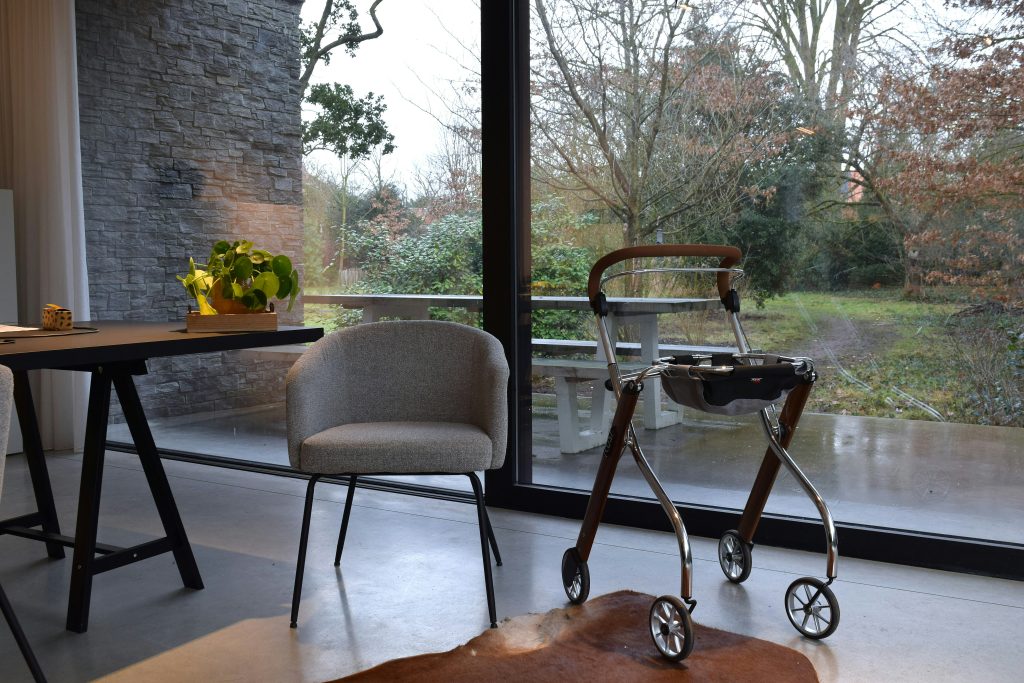
The dream of remaining in the familiar comfort of one’s own home, surrounded by cherished memories and personal routines, is a powerful aspiration for many as they age. This concept, known as aging-in-place, is not simply about residing in a house; it’s about retaining autonomy, dignity, and an ongoing sense of purpose within a supportive environment. It signifies a proactive approach to aging, where individuals and their loved ones plan and implement strategies to ensure safety, comfort, and continued independence throughout the golden years. The journey of aging in place is multifaceted, encompassing not only physical modifications to the home but also the integration of assistive technologies, robust safety nets, and vital community connections. This article will explore the best tools and gadgets that empower individuals to embrace this fulfilling lifestyle, transforming challenges into opportunities for continued independence.
Mastering Mobility: Navigating Your Home with Confidence
The ability to move freely and safely within one’s living space is fundamental to maintaining independence. As physical capabilities change, certain aids and devices can make a world of difference, allowing individuals to navigate their homes with newfound confidence and a reduced risk of falls. These tools are not about limitations, but rather about enabling continued participation in daily life.
Enhancing Movement and Stability
For those experiencing difficulties with balance or weakness, mobility aids offer invaluable support. Walkers, for instance, provide a stable base and distribute weight, making it easier and safer to move around. Cane tips can be equipped with specialized rubber ferrules that offer superior grip on various surfaces, preventing slips and ensuring a more secure stride. Rollators, which are essentially walkers with wheels, seats, and hand brakes, offer even greater freedom, allowing users to pause and rest when needed without sacrificing their forward momentum. Transfer benches for bathtubs and showers are also essential, providing a stable platform to ease the transition into and out of the bathing area, significantly reducing the risk of falls. Grab bars, strategically placed in bathrooms, hallways, and near stairs, offer crucial points of stability and support for getting up, sitting down, or simply steadying oneself during movement.
Adaptive Devices for Daily Activities
Beyond general mobility, specific adaptive devices can transform everyday tasks, making them more manageable. Long-handled reachers and grabbers are indispensable for retrieving items from high shelves or low drawers without excessive bending or stretching. Dressing aids, such as button hooks and zipper pulls, can simplify the often-frustrating process of getting dressed, restoring a sense of independence to personal grooming. Shoe horns with extended handles are another simple yet effective tool for those who find bending to put on footwear a challenge.
The Smart Home Advantage: Technology for Enhanced Living
The integration of smart home technology offers a revolutionary pathway to aging-in-place. These innovative solutions provide a layer of convenience, safety, and connectivity that can significantly enhance the quality of life for seniors, allowing them to maintain control and independence with greater ease. From automated lighting to remote monitoring, the possibilities are vast and continually expanding.
Automated Comfort and Convenience
Smart lighting systems can be programmed to turn on and off automatically at set times or in response to motion, eliminating the need to navigate dimly lit rooms and reducing the risk of trips and falls. Voice-activated assistants, like Amazon Echo or Google Home, can control lights, adjust thermostats, play music, and even answer questions, offering effortless command of the living environment. Smart thermostats learn daily routines and adjust temperatures accordingly, ensuring comfort while also optimizing energy efficiency. Automated blinds or curtains can be controlled remotely or on a schedule, providing privacy and regulating natural light without manual effort.
Enhanced Safety and Security with Smart Devices
Smart security cameras and video doorbells provide peace of mind by allowing individuals to see and speak with visitors from anywhere, eliminating the need to open the door to unfamiliar individuals. Smart smoke and carbon monoxide detectors can alert not only the homeowner but also designated family members or emergency services in the event of a dangerous situation. Smart locks can be controlled remotely, allowing caregivers or family members to grant access if needed, without the need for physical keys. Fall detection devices, often worn as pendants or smartwatches, can automatically sense a fall and alert emergency contacts or services, providing a critical safety net.
Staying Connected and Safe: Communication and Emergency Preparedness
Effective communication and robust safety measures are paramount for ensuring that seniors can age-in-place with confidence. These tools and systems are designed to bridge distances, provide immediate assistance when needed, and foster a sense of security within the home. For more information on assistive technology devices helping seniors age in place, visit here.
Seamless Communication and Social Connection
Telephones with large buttons and amplified sound are essential for individuals with hearing or vision impairments.
Video calling devices, such as tablets with simplified interfaces, allow for face-to-face conversations with loved ones, fostering a sense of connection and combating social isolation. Personal emergency response systems (PERS), often worn as pendants or wristbands, offer a discreet and reliable way to call for help in the event of a medical emergency. These systems are typically linked to a monitoring center that can dispatch assistance quickly.
Even simpler devices like amplified doorbells can ensure that no visitor goes unnoticed, providing both convenience and an added layer of security.
Anticipating and Responding to Emergencies
Beyond PERS, other devices contribute to a comprehensive safety net. Medication reminders, whether standalone devices or integrated into smart home systems, help ensure that prescribed treatments are taken on time, preventing potential health complications. Home monitoring systems, which can include sensors for activity, door and window openings, and even appliance usage, can alert caregivers or family members to any unusual patterns, providing an early warning of potential issues.
Fire safety is also crucial, with easy-to-use fire extinguishers and smoke detectors with loud alarms becoming standard components of a safe home.
Culinary Independence: Kitchen Aids for Effortless Cooking
| Product | Features | Price |
|---|---|---|
| Instant Pot | Pressure cooker, slow cooker, rice cooker, steamer, sauté pan, yogurt maker, and warmer | 99.95 |
| Food Processor | Chopping, slicing, shredding, and pureeing | 149.99 |
| Immersion Blender | Blending, pureeing, and whisking directly in the pot or bowl | 39.95 |
| Stand Mixer | Mixing, kneading, and whipping with various attachments | 299.99 |
Preparing meals is a fundamental aspect of daily life, and the kitchen can become a challenging space without the right adaptations. A variety of specialized tools and gadgets can transform the kitchen into an accessible and enjoyable environment, enabling seniors to continue preparing their own delicious and nutritious meals.
Streamlining Cooking and Food Preparation
Many kitchen aids focus on simplifying tasks that may become difficult due to reduced strength or dexterity. Electric jar openers are a boon for those who struggle with twisting lids, making it easy to access ingredients. Non-slip cutting boards provide stability for chopping and slicing, reducing the risk of slips and accidents. Ergonomic utensils with larger, softer grips are comfortable to hold and offer better control for individuals with arthritis or hand weakness. Automatic pot stirrers can free up hands and prevent burning, allowing for more relaxed cooking. Specialized cutting tools, like mandolins with safety features or rocker knives, can make precision cutting easier and safer.
Safer and More Accessible Kitchen Design
Beyond individual tools, consideration for the kitchen layout and features can significantly enhance accessibility. Pull-out shelves and lazy Susans in cabinets and pantries make it easier to reach items without excessive bending or stretching. Lever-style faucet handles are easier to operate than traditional knob handles, especially for those with limited hand strength. Induction cooktops, which heat cookware directly, offer a safer cooking surface as they remain cooler to the touch than gas or electric coils. Easy-to-read oven dials and microwave controls with large buttons and clear displays also contribute to a more user-friendly cooking experience.
Reimagining the Bathroom: Safety and Accessibility Products
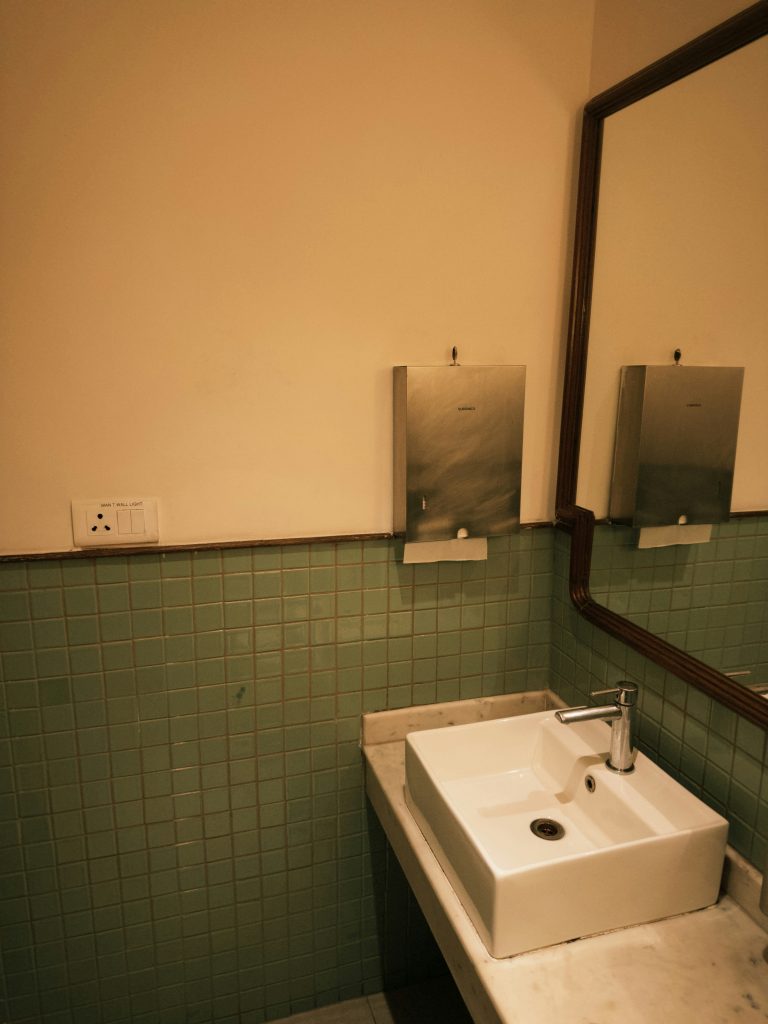
The bathroom is notoriously one of the most hazardous areas in the home for seniors, due to the presence of water and slick surfaces. Investing in appropriate safety and accessibility products can dramatically reduce the risk of falls and make this essential space more comfortable and functional.
Enhancing Stability and Ease of Use
Grab bars are indispensable in the bathroom, providing crucial support next to the toilet, in the shower, or alongside the bathtub. These can be installed permanently or use suction cups for temporary placement, offering versatile solutions. Raised toilet seats or toilet frames can reduce the distance one needs to lower themselves to sit, easing the strain on joints and improving ease of use. Shower chairs and transfer benches are perhaps the most critical safety additions for the bathing area, providing a secure place to sit while showering and facilitating safe entry and exit from the tub or shower. Non-slip mats and adhesive strips for the shower floor and bathtub are essential to prevent slips and falls on wet surfaces.
Accessibility for Personal Care
Beyond basic safety, accessibility products can also support independent personal care. Long-handled bath brushes and sponges can help individuals reach all areas of their body without excessive bending. Adjustable showerheads with hoses provide flexibility and ease of use, allowing for a hands-free or directed spray. Even simple additions like accessible toiletry dispensers mounted on the wall can reduce the need for reaching and fumbling. For those with limited mobility, bidet attachments for toilets can enhance hygiene and independence.
Proactive Health and Financial Wellness: Resources for Long-Term Independence
Maintaining one’s health and financial stability are cornerstones of successful aging-in-place. Fortunately, a wealth of tools, resources, and planning strategies exist to support these vital aspects, empowering individuals to remain in control of their well-being and financial future.
Staying on Top of Health and Medications
Health monitoring devices have become increasingly sophisticated and accessible. Wearable fitness trackers can monitor activity levels, heart rate, and sleep patterns, providing valuable insights into overall health. Blood pressure monitors and glucose meters offer convenient ways to track vital signs from home, allowing for timely intervention if needed. Medication management systems, ranging from simple pill organizers to advanced automated dispensers with reminders and tracking capabilities, ensure that prescriptions are taken correctly and on time, avoiding potential health crises. Telehealth services connect individuals with healthcare professionals remotely, reducing the need for travel and providing convenient access to medical advice and consultations.
Securing Your Financial and Legal Future
Planning for the financial aspects of aging-in-place is crucial for long-term security. Reverse mortgages can provide access to home equity, generating income or funds for home modifications. Long-term care insurance can help cover the costs of in-home care or assisted living if needed. It’s also vital to establish legal documents such as a durable power of attorney, which designates someone to make financial decisions on your behalf if you become unable to do so, and a healthcare directive or living will, which outlines your wishes for medical treatment. Consulting with financial advisors and elder law attorneys can provide personalized guidance tailored to individual circumstances.
The Power of Connection: Community Support and Resources for Seniors Living at Home
While technology and home modifications are essential, the human element of community support plays an equally crucial role in empowering individuals to age-in-place successfully. Connecting with others, accessing local services, and building a supportive network foster a sense of belonging and provide invaluable assistance.
Building a Network of Support
Local senior centers offer a hub for social activities, educational programs, and opportunities to connect with peers. Volunteer visitor programs can provide companionship and a friendly face for those who may be feeling isolated. Neighborly assistance, where friends and neighbors offer help with errands, transportation, or simply a chat, can form a vital informal support system. Faith-based organizations often provide outreach programs and support networks for their members. Engaging in clubs or interest groups, whether online or in person, can maintain social connections and a sense of purpose.
Accessing Essential Services and Programs
Many communities offer a range of services specifically designed to support seniors living at home. Meals on Wheels provides nutritious meals delivered directly to homes, alleviating the burden of cooking for those who are unable. Senior transportation services can assist with medical appointments, grocery shopping, and social outings, ensuring mobility and independence. Area Agencies on Aging (AAA) are invaluable resources that can provide information and referrals to a wide array of local services, including in-home care assistance, legal aid, and financial counseling. Home repair and modification programs, often funded by government agencies or non-profits, can help offset the cost of making a home safer and more accessible. By leveraging these community resources, seniors can build a robust support system that complements their efforts to age-in-place with dignity and independence.
FAQs
What is aging-in-place?
Aging-in-place refers to the ability to live in one’s own home and community safely, independently, and comfortably, regardless of age, income, or ability level. It involves making necessary adaptations to the home environment and utilizing various tools and resources to support independent living as one ages.
What are some examples of mobility aids and assistive devices for aging-in-place?
Mobility aids and assistive devices for aging-in-place include items such as walkers, canes, grab bars, stair lifts, and wheelchair ramps. These tools help seniors maintain their mobility and navigate their homes safely.
How can smart home technology support aging-in-place?
Smart home technology can support aging-in-place by providing features such as voice-activated assistants, smart thermostats, home security systems, and remote monitoring devices. These technologies can enhance safety, convenience, and comfort for seniors living at home.
What are some examples of communication and safety devices for aging-in-place?
Communication and safety devices for aging-in-place include medical alert systems, fall detection sensors, emergency call buttons, and home monitoring cameras. These tools help seniors stay connected and receive assistance in case of emergencies.
What types of kitchen and cooking aids are available for independent living?
Kitchen and cooking aids for independent living include items such as easy-grip utensils, reachers, jar openers, and adaptive cutting boards. These tools can help seniors maintain their ability to prepare and enjoy meals at home.

